1. What is a peptide?
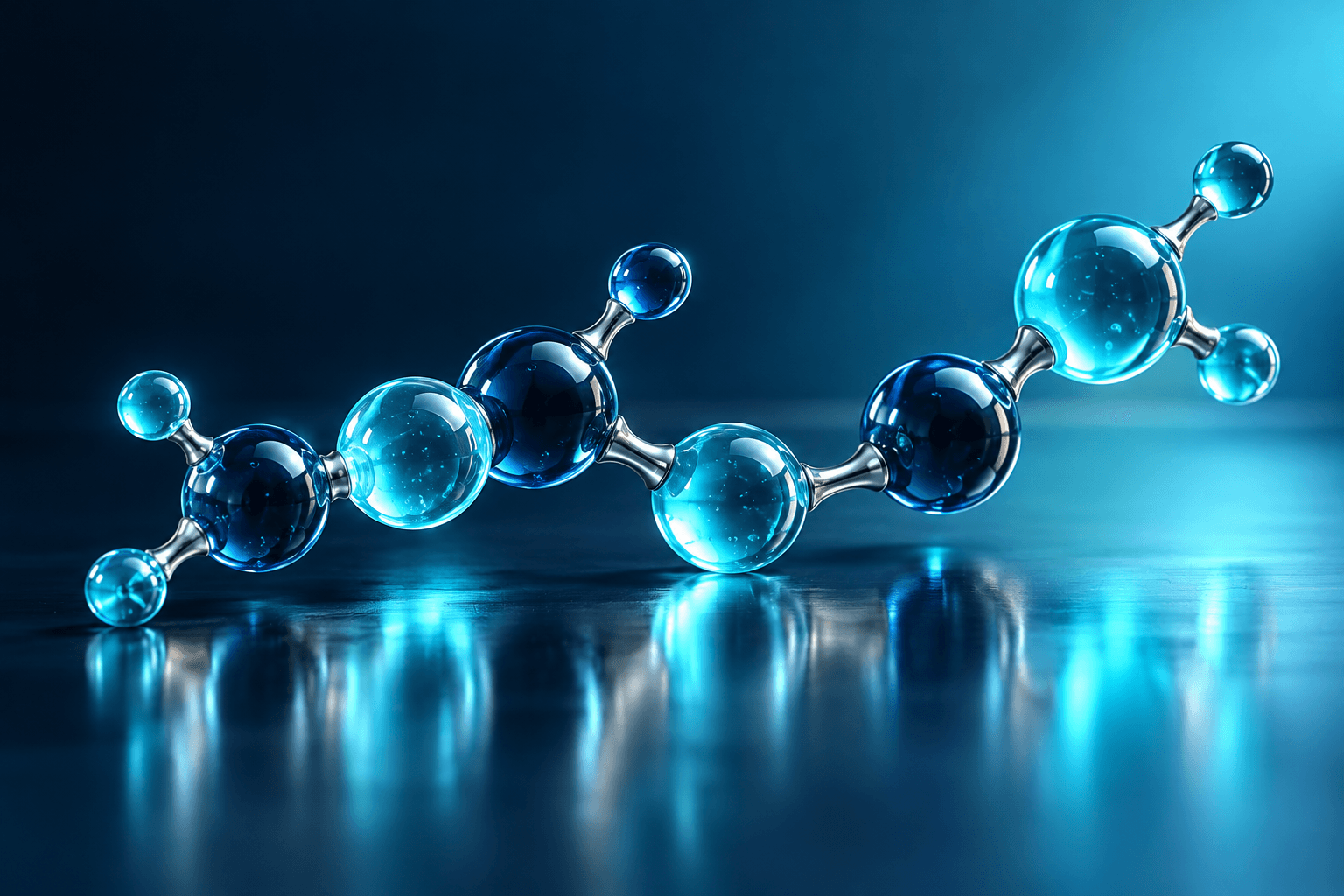
It is a structure formed by amino-acid units joined through peptide bonds. The sequence specifies the units and their order. The term is a chemical description, not an automatic indication of benefit or therapeutic purpose.
2. How are peptides formed?
Chains can be produced biologically, including through ribosomal translation, or by chemical synthesis. Origin does not replace material characterisation. We recommend consulting documentation to understand the stated process and controls performed.
3. Peptide terminology
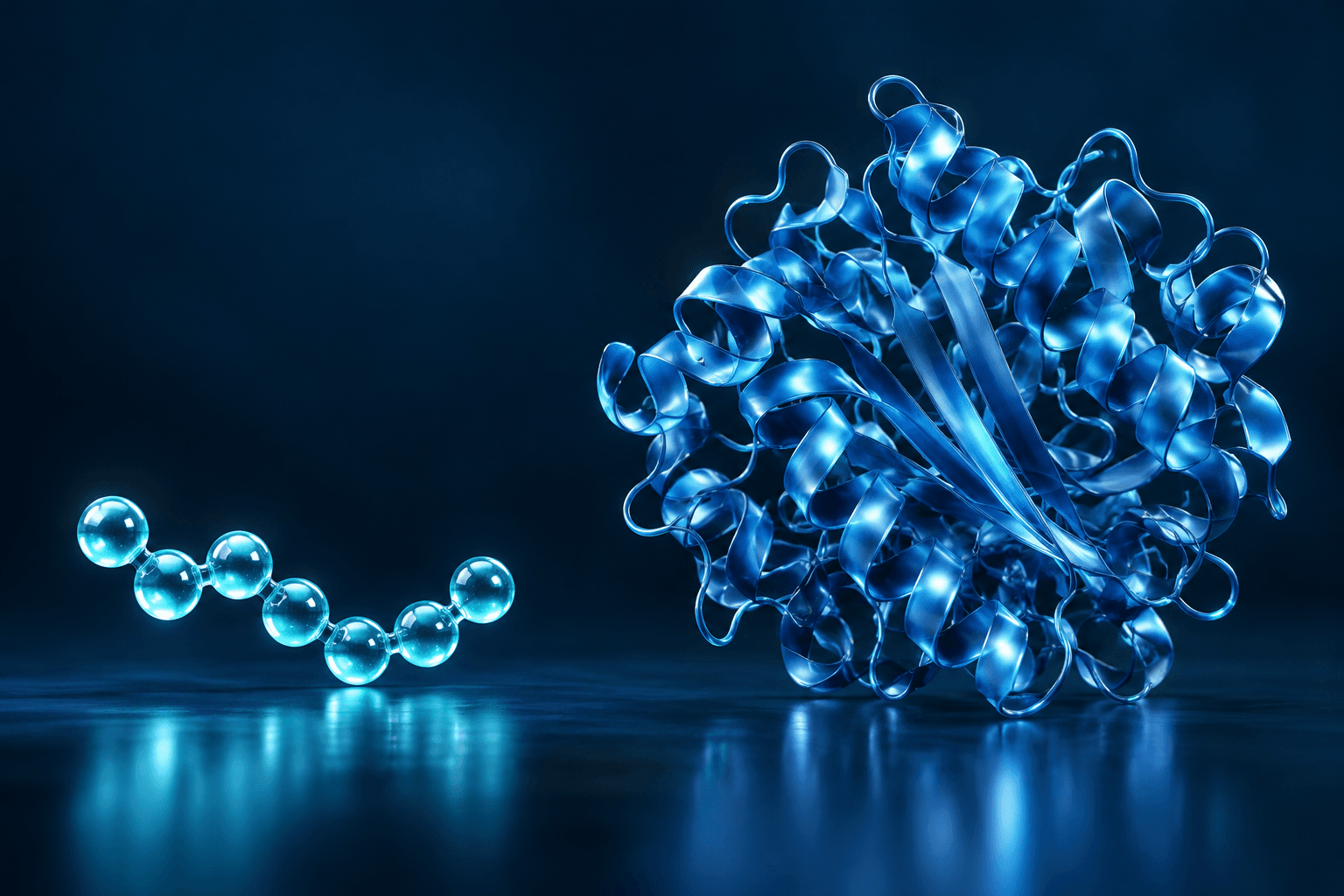
Dipeptide and tripeptide indicate two and three units respectively. Oligopeptide and polypeptide describe chains with few or many residues. We recommend stating the sequence or unit count when relevant rather than relying only on a broad term.
4. Peptide classification
A description may organise peptides by chain size, production origin or stated modifications. These are different criteria and should be explicit. We recommend separating chemical classification, analytical specification and intended use to avoid unsupported conclusions.
5. Important peptide terms
In this blog, synthesis concerns production; purification, separation; purity, analytical assessment; and solubility, behaviour in a medium. Explore a question through the relevant article and its sources. This educational collection does not replace product-specific documentation.
Educational content. It does not replace professional guidance, provide use protocols or establish regulatory authorisation for products.